
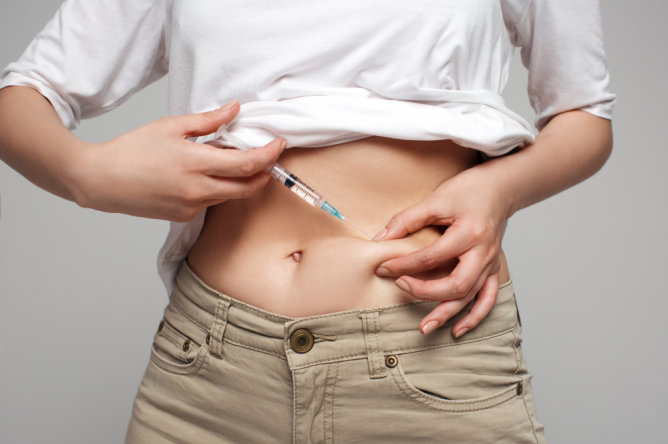
Aging is a natural, inevitable process that affects every organ and system in the human body. One of the most significant contributors to visible and internal signs of aging is the decline in human growth hormone (HGH) production. HGH is a vital hormone secreted by the pituitary gland, responsible for cell regeneration, metabolism, muscle growth, bone density, and skin elasticity.
As we age, particularly after the late twenties and early thirties, HGH levels decrease progressively, often by about 14% per decade. This decline contributes to:
- Reduced energy and stamina
- Loss of lean muscle mass
- Increased body fat
- Thinning, sagging skin and wrinkles
- Slower recovery from injuries and illnesses
Due to these effects, HGH therapy has become increasingly popular as a potential solution to slow certain aspects of aging. However, proper dosing, monitoring, and lifestyle integration are critical to achieving anti-aging benefits safely.
This comprehensive guide will cover:
- How HGH functions and declines with age
- Recommended anti-aging HGH dosage
- Methods of administration
- Benefits and potential risks
- Lifestyle strategies to enhance effectiveness
- Answers to frequently asked questions
- Scientific studies supporting anti-aging effects
By the end, you will have a complete roadmap for safe and effective HGH supplementation as part of an anti-aging strategy.
Understanding HGH and Its Role in Anti-Aging
Human Growth Hormone (HGH) is a peptide hormone produced naturally by the pituitary gland. It regulates growth, cell repair, metabolism, and body composition. HGH plays a crucial role in maintaining youthfulness and overall vitality.
Optimize Your HGH Dosage for Anti-Aging
Achieve safe and effective results with Hutrope 100IU HGH. Follow the recommended anti-aging HGH dosage to support lean muscle, improve energy, enhance skin elasticity, and restore youthful vitality.
Buy Hutrope 100IU HGH – Start Your Anti-Aging Plan
✅ Expert-recommended HGH dosage for anti-aging
✅ Premium quality, secure checkout
✅ Fast worldwide shipping
Key Functions of HGH
- Cell Regeneration and Repair: HGH stimulates the production of new cells, replacing damaged ones and promoting tissue repair.
- Maintaining Lean Muscle Mass: HGH enhances protein synthesis, contributing to stronger, more resilient muscles.
- Metabolism Regulation: HGH affects fat metabolism, encouraging the breakdown of visceral fat while preserving lean tissue.
- Bone Density Support: It promotes calcium retention and bone mineralization, reducing the risk of osteoporosis.
- Skin Health: HGH increases collagen synthesis, improving elasticity, hydration, and reducing wrinkles.
- Immune System Support: By regulating cell turnover, HGH indirectly supports immune function.
How HGH Declines With Age
- 20s: Peak HGH levels and optimal metabolic activity.
- 30s: Natural decline begins (~14% per decade).
- 40s-50s: Noticeable decrease in energy, muscle mass, and skin elasticity.
- 60+: Significant drop contributing to sarcopenia, fat accumulation, and slower recovery.
HGH Dosage for Anti-Aging: How to Use HGH Safely and Effectively
Determining the correct HGH dosage for anti-aging is crucial for both safety and effectiveness. Unlike treatments for growth disorders or athletic performance enhancement, anti-aging therapy focuses on low-dose administration designed to mimic natural hormone levels rather than using high doses. Proper dosing can help improve energy, metabolism, skin elasticity, and overall vitality while minimizing the risk of side effects.
Recommended HGH Dosage Guidelines for Anti-Aging
To achieve optimal results, experts suggest the following dosage strategies:
Micro-Dosing Approach
- 0.1–0.3 IU per kg of body weight per day
- This approach ensures steady, physiologic HGH levels similar to what the body naturally produces, reducing risks such as joint swelling or insulin resistance.
Weekly Dosage
- Typical ranges are 2–4 IU per day, or 7–10 IU per week, often split into multiple smaller injections to maintain consistent hormone levels.
- Spreading doses throughout the week helps avoid peaks and troughs in HGH activity.
Frequency of Administration
- Most anti-aging protocols recommend daily injections or 3–5 times per week, depending on individual goals and tolerance.
- Consistency is key to maximizing metabolic benefits and promoting better sleep, which naturally stimulates growth hormone release.
Individualization of HGH Dosage
- HGH dosage must be tailored based on age, weight, overall health, and blood hormone levels.
- Older adults or individuals with lower baseline hormone levels may require smaller doses, while younger adults with normal IGF-1 may need minimal supplementation.
- Consultation with a healthcare professional is essential to design a safe and effective program.
Monitoring and Safety
- Regular blood tests for IGF-1 (Insulin-like Growth Factor 1) are critical to assess HGH activity and prevent overtreatment.
- Maintaining IGF-1 levels within the physiologic range reduces the risk of side effects such as water retention, joint pain, or insulin resistance.
- Periodic medical supervision ensures your anti-aging HGH therapy is both safe and effective.
Why Correct HGH Dosage Matters for Anti-Aging
Proper dosing not only improves fat metabolism, muscle tone, and energy levels but also supports skin health, hair quality, and overall longevity. Using too little may show minimal benefits, while excessive doses increase the risk of adverse effects, highlighting the importance of a carefully monitored, individualized plan.
Methods of HGH Administration
HGH can be administered in several ways:
- Subcutaneous Injections: The most common and effective method; injections under the skin, usually in the abdomen or thigh, allow steady absorption.
- Intramuscular Injections: Less commonly used; may be combined with subcutaneous injections.
- Topical Creams and Sprays: Limited effectiveness due to poor absorption; often used as supplementary treatments.
Tip: Subcutaneous injections are preferred because they closely mimic natural hormone release patterns.
Benefits of HGH for Anti-Aging: How Growth Hormone Supports Youthful Health
HGH therapy for anti-aging has gained popularity due to its potential to slow age-related decline and promote overall health. When administered correctly under medical supervision, human growth hormone (HGH) can provide multiple benefits, from boosting energy to improving body composition and skin health.
1. Increased Energy and Vitality
One of the most noticeable effects of HGH for anti-aging is improved stamina and daily energy levels. Users often report:
- Reduced fatigue and tiredness
- Enhanced physical performance
- Better mental alertness
These benefits are linked to enhanced muscle function, improved metabolism, and more efficient nutrient utilization, helping individuals feel younger and more active.
2. Muscle Growth and Fat Reduction
HGH promotes protein synthesis and muscle maintenance, which is particularly important for adults over 40 who may experience age-related muscle loss (sarcopenia). Key effects include:
- Preservation and growth of lean muscle mass
- Reduction of visceral and subcutaneous fat
- Improved body composition and metabolism
This makes HGH a valuable tool in anti-aging fitness programs, supporting strength, endurance, and overall vitality.
3. Skin Rejuvenation and Appearance
Another major benefit of HGH therapy for anti-aging is skin health. HGH stimulates collagen production, which:
- Improves skin texture and elasticity
- Increases hydration and firmness
- Reduces fine lines and wrinkles
Regular, controlled HGH use can help maintain a youthful, healthy appearance, complementing skincare routines and cosmetic procedures.
4. Bone Health and Density
Bone strength declines with age, increasing the risk of fractures and osteoporosis. HGH supports skeletal health by:
- Enhancing bone mineral density
- Stimulating osteoblast activity for stronger bones
- Reducing fracture risk in older adults
This makes HGH an important factor in preventing age-related bone loss and maintaining long-term mobility.
5. Improved Sleep Quality
Sleep is critical for natural HGH production, especially deep sleep stages. Anti-aging HGH therapy may help:
- Regulate sleep cycles
- Increase deep sleep duration
- Improve overall sleep quality and recovery
Better sleep not only boosts energy and focus but also enhances natural growth hormone release, creating a positive feedback loop for anti-aging effects.
6. Metabolic Support and Fat Oxidation
HGH plays a key role in metabolism and body composition. Benefits include:
- Enhanced glucose metabolism for stable energy levels
- Improved lipid profiles for heart and vascular health
- Increased fat oxidation for effective weight management
By supporting metabolic health, HGH helps maintain a lean, youthful physique while protecting against age-related metabolic decline.
Risks and Side Effects
Low-dose HGH therapy is generally safe, but improper use may lead to:
- Joint and muscle pain
- Edema (fluid retention)
- Carpal tunnel syndrome
- Insulin resistance or elevated blood sugar
- Swelling in extremities
Safety Precautions:
- Always consult a licensed medical professional
- Regular monitoring of IGF-1 and blood sugar levels
- Avoid high doses or unsupervised use
Lifestyle Integration for Maximizing HGH Benefits
Nutrition
- High-protein diet for optimal amino acid intake
- Foods rich in L-arginine, L-glutamine, and L-lysine
- Antioxidant-rich foods to reduce oxidative stress
Exercise
- Resistance training stimulates natural HGH production
- Cardiovascular exercise improves metabolism
- Stretching and mobility work support joint health
Sleep
- Deep sleep cycles are critical; HGH is naturally secreted during REM sleep
- Aim for 7–9 hours per night
- Consider sleep hygiene practices: dark room, consistent schedule, limited screen time
Stress Management
- High cortisol inhibits HGH secretion
- Mindfulness, meditation, and relaxation techniques help maintain hormonal balance
Scientific Evidence Supporting HGH for Anti-Aging
Several clinical studies support the use of HGH therapy in adults:
- 1989 Rudman Study – Men aged 61–81 given HGH showed increased lean body mass, reduced fat, and improved skin thickness.
- 2001 Blackman Study – Low-dose HGH improved body composition without severe side effects.
- Long-term observational data – Indicate improved energy, sleep, and quality of life in patients under medical supervision.
Note: HGH therapy is not a magic solution; benefits are enhanced when combined with proper lifestyle habits.
Comparison: HGH vs Peptides (Sermorelin, Ipamorelin)
- HGH: Direct supplementation; faster results but higher risk if overdosed
- Peptides: Stimulate natural HGH production; slower results but generally safer for long-term use
Example: Sermorelin therapy may be preferred for those wanting a more natural, mild approach, while HGH injections are used when direct supplementation is needed.
Step-by-Step HGH Therapy Plan
- Consultation: Hormone panel and IGF-1 test
- Dosage Planning: Micro-dose schedule based on weight and goals
- Injection Training: Learn safe subcutaneous injection technique
- Lifestyle Integration: Diet, exercise, sleep, stress management
- Monitoring: Regular follow-up blood tests and symptom tracking
- Adjustment: Fine-tune dosage based on results and side effects
Frequently Asked Questions About HGH for Anti-Aging
1. Can HGH reverse aging?
Answer: While HGH cannot completely reverse aging, it can help mitigate age-related issues such as muscle loss, low energy, decreased skin elasticity, and fat accumulation. Proper, low-dose HGH therapy for anti-aging can support overall vitality and body composition, making you feel younger and more energetic.
2. How soon are results noticeable?
Answer: Mild improvements from HGH anti-aging therapy can often be noticed within 4–6 weeks, including increased energy and better sleep. Full effects, such as improved muscle tone, fat reduction, skin rejuvenation, and bone density, typically appear after 3–6 months of consistent therapy under medical supervision.
3. Is HGH safe for everyone?
Answer: HGH is not suitable for everyone. It should not be used by individuals with cancer, uncontrolled diabetes, or pituitary disorders. Anti-aging HGH therapy should always be individualized and monitored by a healthcare professional, with regular blood tests for IGF-1 levels to ensure safety.
4. What is the proper HGH dosage for anti-aging?
Answer: For anti-aging purposes, the typical HGH dosage ranges from 0.1–0.3 IU per kilogram of body weight per day, often split into multiple smaller injections per week. Dosage should be individualized based on age, weight, health status, and blood hormone levels to maximize benefits while minimizing risks.
5. What are the possible side effects of HGH therapy?
Answer: When used at recommended doses, HGH therapy is generally safe. Potential side effects from overdosing or improper use include:
- Joint pain or stiffness
- Fluid retention
- Insulin resistance or elevated blood sugar
Monitoring IGF-1 levels and working with a medical professional helps prevent adverse effects and ensures safe, effective anti-aging results.
Real-Life Case Example
John, 52: Started low-dose HGH therapy (2 IU/day, subcutaneous) combined with resistance training. After 4 months:
- Lean muscle mass +3.5 kg
- Body fat -4%
- Improved sleep and energy levels
- No adverse effects due to careful monitoring
This example demonstrates the effectiveness of combining HGH with lifestyle optimization.
Optimize Your HGH Dosage for Anti-Aging
Achieve safe and effective anti-aging results with Hygetropin HGH 100IU. Follow the recommended HGH dosage to support lean muscle growth, boost energy, improve skin elasticity, and restore youthful vitality.
Buy Hygetropin HGH 100IU – Start Your Anti-Aging Plan
✅ Expert-recommended HGH dosage for anti-aging
✅ Premium quality, secure checkout
✅ Fast worldwide shipping