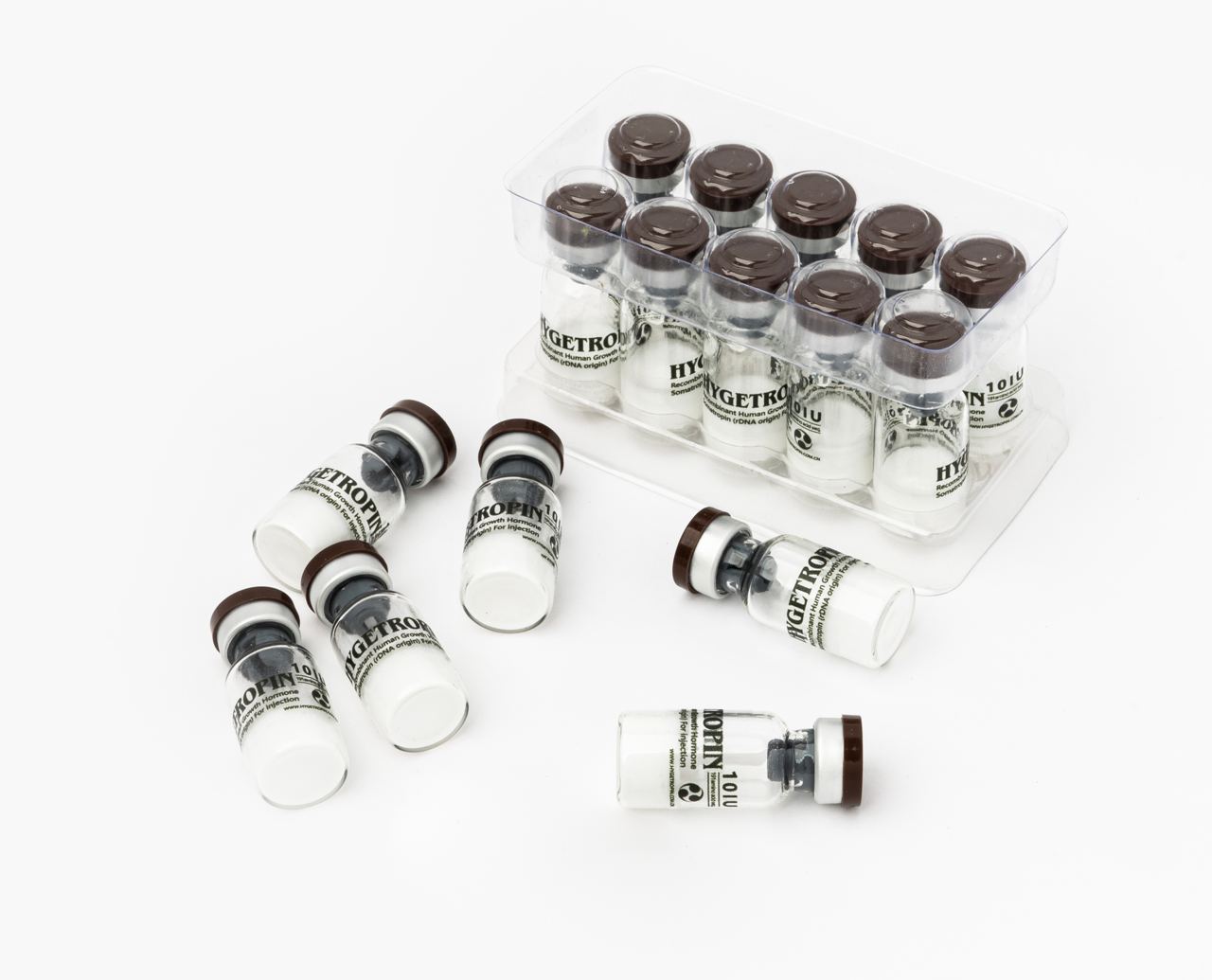
Hygetropin 100iu is discussed online as a human growth hormone product that appears in various markets globally. Human growth hormone (HGH) is a peptide hormone naturally produced in the body, primarily by the pituitary gland, and plays a role in growth, cell regeneration, metabolism, and maintenance of many tissues.
While some sources describe Hygetropin as a form of exogenous HGH, it’s important to distinguish between scientific definitions of growth hormone and how products are marketed. In scientific literature, HGH refers to a polypeptide hormone, and studies explore its physiological roles in growth, aging, and metabolic processes. However, information available on any branded HGH product should be contextualized within broader endocrinological research, without making specific claims about treatment or benefits.
This review aims to present an evidence-based overview of what is known about the hormone itself, how similar products have been studied, and what users and literature report — all in a balanced and factual context.
What Research Says: Evidence and Studies
Research into human growth hormone spans decades and covers its production, regulation, physiological functions, and therapeutic applications. In clinical endocrinology, growth hormone has been investigated in relation to growth disorders, aging, and metabolic conditions.
Numerous peer-reviewed studies have examined the biological effects of growth hormone, including its role in protein synthesis, regulation of body composition, and influence on lipid metabolism. For example, research shows that growth hormone stimulates the production of insulin-like growth factor-1 (IGF-1) in the liver, which has downstream effects in various tissues.
It’s critical to emphasize that scientific evidence distinguishes endogenous hormone activity from marketed products. Treatments involving recombinant human growth hormone are strictly regulated and typically prescribed by medical professionals for specific indications such as growth hormone deficiency, Turner syndrome, or chronic kidney disease in children. This context is important because consumer-oriented reviews of branded products often lack endorsement from clinical research.
Comparing Hygetropin to Other Growth Hormone Products
When considering products referenced online under the umbrella of HGH or peptides, it’s useful to compare available information associated with different offerings.
| Feature | Hygetropin 100iu | Other HGH Branded Products | Scientific HGH Context |
|---|---|---|---|
| Market positioning | Consumer-oriented | Similar | Research / Clinical |
| Regulatory context | Varies by region | Varies | Controlled use |
| Evidence base | Limited public research | Limited | Extensive scientific studies |
| User discussions | Online forums | Online forums | Peer-reviewed literature |
This comparison highlights that branded products often circulate in commercial and secondary contexts, whereas scientific HGH research remains separate and highly regulated. Always view commercial product descriptions with scrutiny, and consider established endocrinological sources for biological insight.
Safety Profile and Side Effects (Non-Prescriptive)
Scientific literature acknowledges that human growth hormone plays a role in many physiological processes. Naturally produced HGH has a complex regulatory mechanism involving the hypothalamus, pituitary gland, IGF-1, and feedback loops.
Clinical use of recombinant human growth hormone is performed under strict medical supervision, with careful monitoring of potential side effects such as fluid retention, joint discomfort, insulin resistance, or other metabolic changes. In consumer discussions, reports about products described as Hygetropin may vary widely, and user-reported experiences cannot replace evidence from controlled clinical trials.
This section provides contextual safety considerations, not usage recommendations. If individuals have questions about hormone function or therapy, a licensed healthcare provider or endocrinologist remains the appropriate source of guidance.
Real User Experience and Observations
Across forums and independent platforms, some users share experiences with products labelled as Hygetropin. These discussions vary significantly in tone and content, and many are anecdotal. Common themes include:
- varied personal outcomes
- differences in how products were obtained
- discussions about pricing and sourcing
- subjective impressions of changes over time
Because these accounts are user-generated and not scientifically controlled, they should be interpreted cautiously. They represent opinion and personal observation, and not rigorous evidence.
Key Takeaways: Evidence-Based Summary
Human growth hormone is a well-studied peptide hormone with established roles in physiology. Branded products referenced under names like Hygetropin often circulate in commercial channels, but they should be differentiated from medically prescribed recombinant HGH used under clinical supervision.
This overview summarizes what is publicly available through scientific research, user discussions, and product information. It does not provide medical recommendations or suggest specific use cases.
Additional Reference: Hygetropin HGH
Readers researching Hygetropin 100IU reviews, HGH quality, and how results are evaluated in research and clinical discussions may find it useful to consult external reference materials for broader context.
General background information and non-clinical reference details related to Hygetropin HGH are available here: Hygetropin HGH 100 IU – reference overview
This external reference is provided for informational and educational purposes only and does not constitute medical advice or a recommendation.
Frequently Asked Questions About Hygetropin 100iu
1. What is Hygetropin 100iu?
Answer: Hygetropin 100iu is a human growth hormone (HGH) supplement designed to support muscle growth, fat loss, and overall vitality. It mimics natural HGH activity and is commonly used by athletes, bodybuilders, and individuals seeking anti-aging benefits.
2. How does Hygetropin 100iu work?
Answer: Hygetropin stimulates the pituitary gland to produce IGF-1 (Insulin-like Growth Factor 1), which promotes protein synthesis, muscle cell growth, and fat metabolism. This results in lean muscle gain, improved recovery, and better body composition.
3. What are the benefits of using Hygetropin 100iu?
Answer: Key benefits include:
- Increased lean muscle mass
- Enhanced fat loss and metabolic efficiency
- Faster workout recovery and endurance
- Support for joint health and connective tissue
- Anti-aging effects like improved skin elasticity and energy
4. Is Hygetropin 100iu safe to use?
Answer: When used according to recommended protocols, Hygetropin is generally safe. Side effects from overuse may include:
- Joint discomfort or stiffness
- Fluid retention
- Insulin resistance or elevated blood sugar
Regular IGF-1 monitoring and blood tests help ensure safe usage.
5. How should Hygetropin 100iu be dosed?
Answer: Evidence-based dosages vary depending on age, weight, and goals. Common protocols range from 2–4 IU per day, often divided into multiple injections per week. Dosage should be individualized and monitored for safety and effectiveness.
6. How soon will I see results from Hygetropin 100iu?
Answer: Mild effects on energy, recovery, and fat metabolism may appear within 4–6 weeks, while noticeable muscle growth and body composition changes typically take 3–6 months of consistent use combined with exercise and proper nutrition.
7. Can Hygetropin replace exercise or a healthy diet?
Answer: No. Hygetropin enhances muscle growth, fat loss, and recovery, but resistance training, cardiovascular exercise, and balanced nutrition are essential to achieve optimal results.